
Who Pays for Fallen Trees in Queensland?
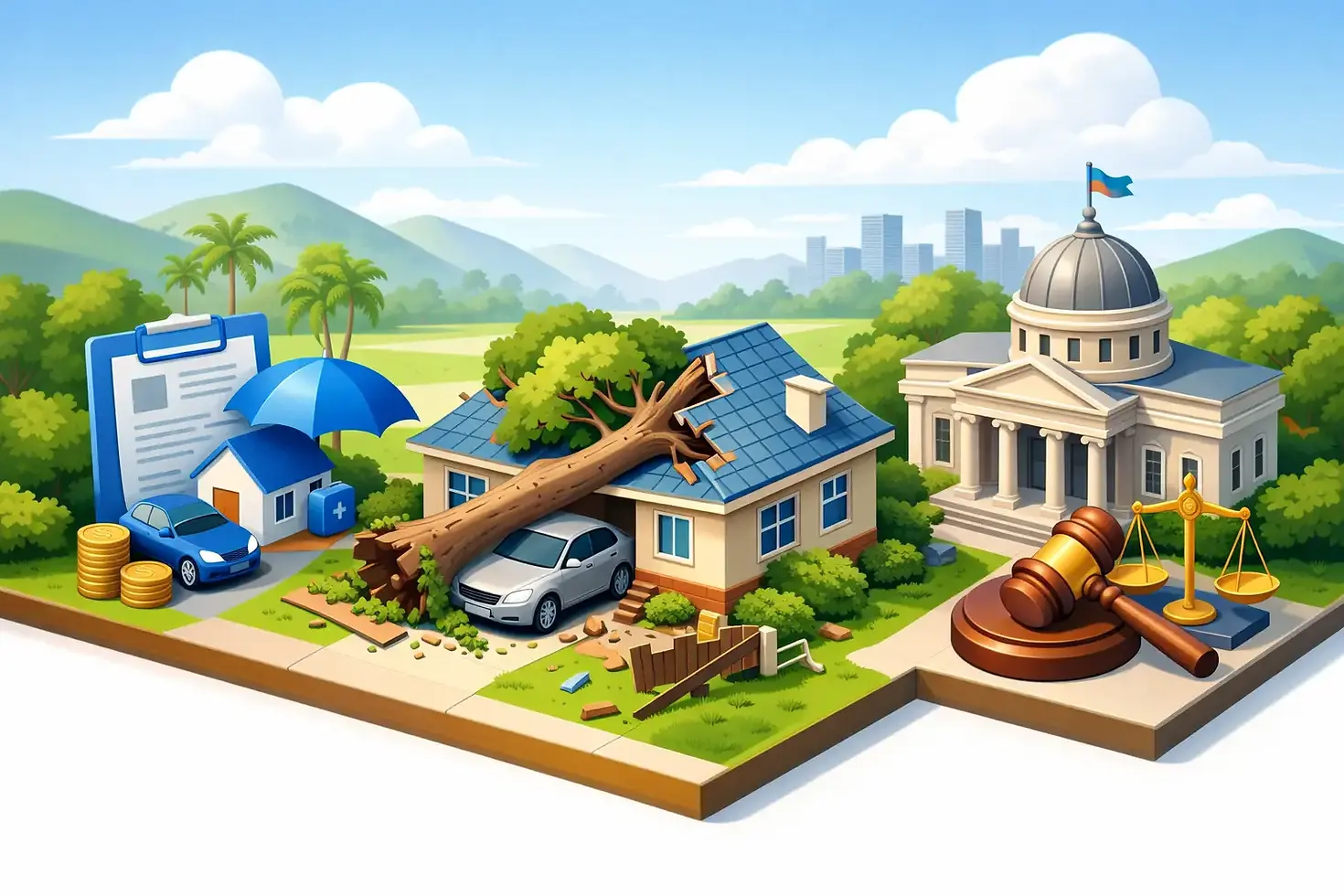
A fallen tree after a Queensland storm can leave a mess across two properties, a damaged fence and a very practical question: who pays for fallen trees? The answer usually comes down to where the tree stood before it fell, what it damaged, and whether anyone knew it was unsafe. Acting quickly to make the site safe matters, but do not assume the neighbour automatically receives the bill just because the tree landed in their yard.
Who pays for fallen trees in Queensland?
In most cases, the owner of the land where the tree was growing pays for the tree to be removed. That remains the usual starting point even if a healthy tree falls into a neighbouring property during high winds or heavy rain.
The property owner whose fence, shed, roof, vehicle or other belongings are damaged will generally need to make a claim through their own home, contents, strata or vehicle insurer, depending on the policy. Their insurer may then decide whether there is a reason to recover costs from the tree owner.
This can feel unfair when your yard is the one covered in branches. However, storm damage and tree disputes are not always decided by where the tree lands. Liability can change if the tree owner was negligent - for example, they had been warned about a clearly hazardous tree and did nothing reasonable to manage the risk.
Every situation has its facts. If the damage is substantial or a neighbour dispute is developing, speak with your insurer and seek legal advice before agreeing to a large payment or signing anything.
The key question: where was the tree growing?
A boundary line is more important than the direction the tree fell. If the trunk was entirely on one property, it is usually that owner's tree. They will normally arrange and pay for the removal of the fallen trunk and branches.
If a tree was growing directly on or very close to a boundary, the position can be less clear. Survey plans, old fencing and visible root flares do not always tell the same story. Avoid cutting up or removing the main trunk until both owners have photographs and agree on access, unless it is creating an immediate danger.
A tree on public land is different again. If it has fallen from a council verge, park or road reserve, report it to the relevant local council. Keep people away from the area, particularly where branches have brought down powerlines or blocked a footpath. Do not attempt to remove council vegetation yourself without authority.
What if the tree was already overhanging the neighbour's yard?
Overhanging branches do not automatically make the neighbour responsible for the whole tree. In Queensland, a neighbour may have rights to deal with encroaching branches or roots in certain circumstances, but those rights come with limits. They do not give someone free rein to remove or damage a tree on another property.
Once a branch or entire tree has fallen, the safest approach is to document the scene, notify the owner and organise a qualified arborist to assess the work. A large fallen tree can be under tension, resting on a fence or structure, or supported by tangled limbs. It is not a job for a chainsaw and a ladder on a weekend.
When the tree owner may be liable for damage
A tree owner is not automatically liable because their tree fell. Queensland weather can bring sudden storms, saturated ground and wind gusts strong enough to bring down trees that showed no obvious sign of failure.
Liability is more likely to be considered where there was a known and unmanaged risk. Examples may include obvious decay at the base, major dead limbs over a neighbour's roof, a leaning tree with exposed roots, or a previous arborist report identifying urgent work. Written requests from a neighbour, council notice or prior storm damage can also become relevant.
The practical issue is whether the owner took reasonable steps once they knew, or should reasonably have known, the tree was dangerous. That does not mean every mature tree needs to be removed. Proper pruning, deadwood removal, monitoring and professional advice are often the sensible response. Removing a tree without checking local council requirements can create another problem, particularly in regulated areas.
An arborist report can be useful before a dispute starts. It provides an informed assessment of tree condition, defects, risk and recommended management. It can also show that a property owner acted responsibly rather than ignoring a visible hazard.
How insurance usually works after a tree falls
Insurance policies vary, so check the wording and call your insurer as soon as possible. Many home insurance policies cover storm-related damage to insured buildings and may contribute to tree removal where it is needed to access or repair a damaged structure. Cover for clearing a tree that has simply fallen in the yard, without damaging an insured item, is often more limited.
If a neighbour's tree damages your roof, start with your own insurer rather than waiting for the neighbour to accept responsibility. Insurers can assess the damage, arrange emergency make-safe work where covered, and investigate recovery if negligence appears to be involved.
Take clear photos before the clean-up begins, including the stump, trunk, damage, boundary area and any visible defects. Keep records of messages with neighbours, council notices, arborist reports, invoices and receipts. These details can matter if an insurer asks how the event occurred.
Do not delay urgent safety work just to preserve evidence. Photograph what you can from a safe position, then get the area made safe. A professional crew can remove hazardous limbs in sections and prevent further damage to roofs, fences, pools and garden structures.
Fallen trees in rental and strata properties
For a rental property, the landlord is generally responsible for arranging major tree maintenance and paying for work involving trees that form part of the property. Tenants should report the fallen tree or visible hazard immediately, provide photos, and keep clear of the work area. If there is immediate danger, such as a blocked exit or damaged electrical connection, contact emergency services or the electricity network first.
In a body corporate complex, responsibility depends on whether the tree sits on common property or within an individual lot. The body corporate may need to arrange work for common areas, while a lot owner may be responsible for vegetation entirely within their exclusive-use or private area. Check the by-laws and strata plan rather than relying on assumptions.
Property managers should also act promptly. A fallen tree can create access issues, injury risks and further water damage if branches have damaged gutters or roofing. Good records, a clear scope of work and an itemised invoice help keep owners, tenants and insurers on the same page.
What to do in the first few hours
Keep people, pets and vehicles away from the tree. Treat all fallen branches near electrical lines as live and report them to the electricity network. Never try to shift a branch from a wire, even if it looks harmless.
If the tree has hit a home, shed, fence or vehicle, take photos once it is safe and notify the relevant insurer. Let the neighbour know in writing if their property is affected. A short, factual message is better than an argument over fault while the tree is still on the ground.
Then arrange an experienced arborist for the removal. The job may require controlled dismantling, rigging, elevated work equipment, traffic or pedestrian management, and stump grinding once the area is clear. A proper assessment identifies whether a tree is resting under load, whether nearby trees have been destabilised, and how to remove material without causing a second incident.
Prevention is cheaper than an emergency call-out
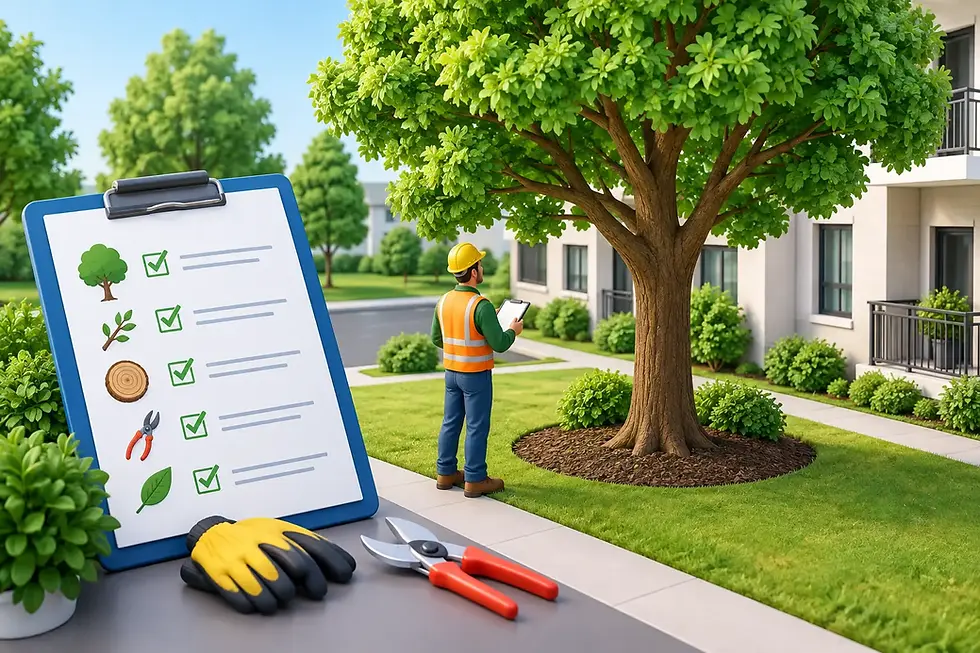
No one can prevent every storm failure. Still, regular inspections are worthwhile for large trees near houses, driveways, pools, fences and neighbouring homes. Look for dead branches, cavities, fungal growth, cracking, sudden lean, lifting soil around the base and limbs rubbing on a roof or service line.
Do not rely on hard pruning or indiscriminate lopping as a quick fix. Poor cuts can weaken a tree, encourage unstable regrowth and create long-term maintenance issues. The right work depends on the species, condition, location and surrounding targets.
For homeowners across Brisbane, Moreton Bay and the Sunshine Coast, JL Tree Services QLD can assess storm-damaged and high-risk trees, carry out safe removal or pruning, and provide tree reporting where a documented assessment is needed. Getting qualified advice before the next wet season can be far simpler than sorting out responsibility after a tree has fallen.


Comments