
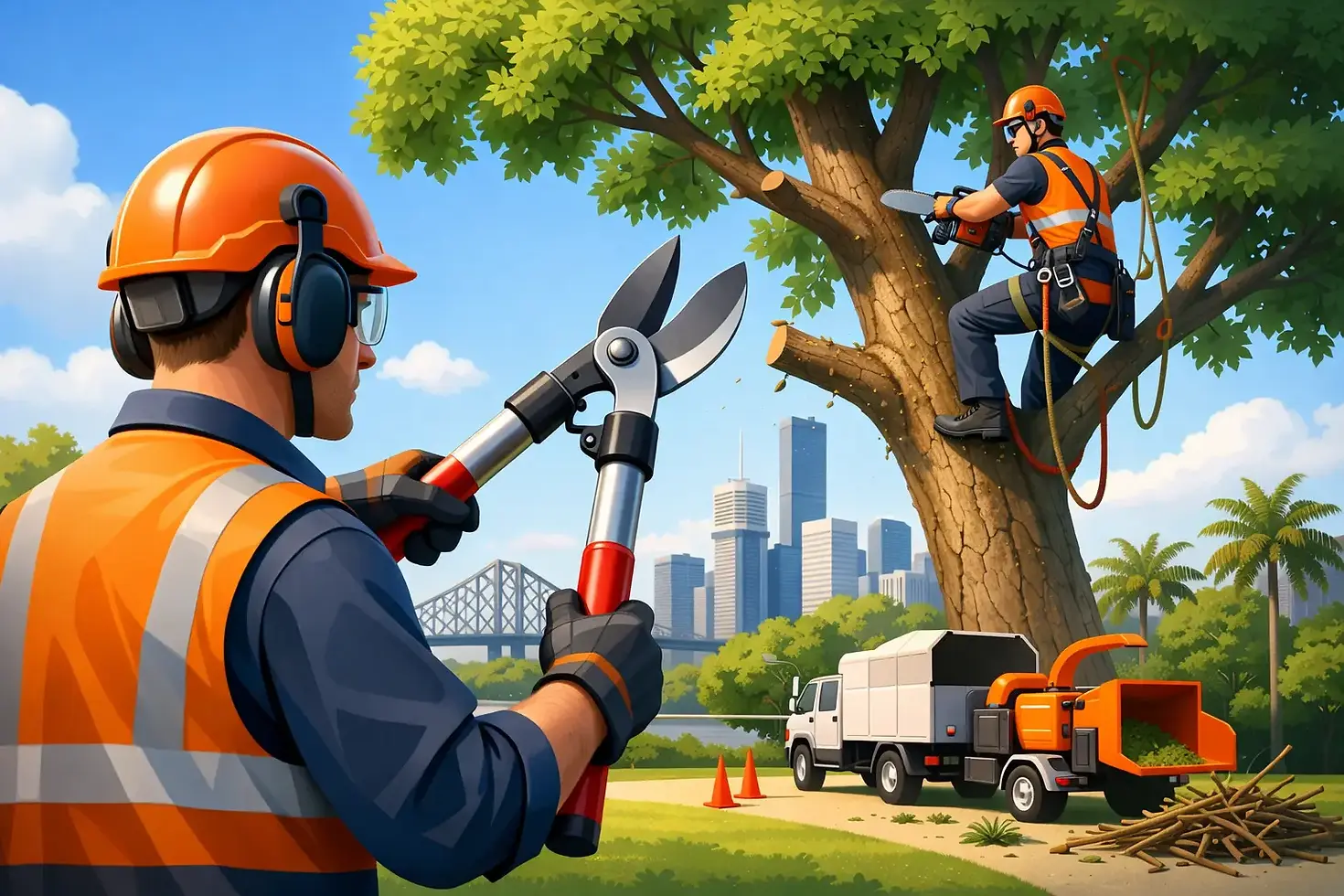
Best Tree Loppers Brisbane for Safe Tree Work
A tree hanging over a roof, powerline or neighbour’s fence is not a job to put off until the weekend. Finding the best tree loppers Brisbane property owners can rely on means choosing a team that can assess the risk, use the right equipment and leave the site safe and tidy.
The cheapest quote is not always the safest option, particularly when a tree is large, damaged, close to a structure or difficult to access. Tree work involves working at height, managing falling timber and protecting the people and property around the job. A professional arborist looks beyond simply cutting branches and recommends work that suits the tree, the site and your long-term maintenance needs.
How to Choose the Best Tree Loppers Brisbane Has Available
Start by looking for genuine arboricultural qualifications and practical experience. Tree lopping is often used as a general term, but the work may involve careful pruning, sectional dismantling, stump grinding, hedge trimming, tree removal or an arborist report. Each job needs a different approach.
A qualified arborist understands tree structure, species, decay, growth habits and safe cutting techniques. This matters when branches are over a house, a pool, a driveway, a shared boundary or a busy footpath. Poor cuts can damage a tree, encourage weak regrowth or create a bigger hazard later on.
Ask the contractor what qualifications they hold and whether they carry appropriate public liability insurance and workers’ compensation cover. A capable operator should be comfortable explaining how they will complete the work, what equipment is required and how they will control the drop zone. If the answer is vague, or the price seems too good to be true, it is worth getting another quote.
Look for a Proper Site Assessment
A quote given from a photo can be useful as a starting point, but many tree jobs need an on-site inspection before a final price is confirmed. Access can change the scope significantly. A tree in an open front yard is very different from one behind a narrow side gate, above a shed or wedged between neighbouring properties.
During an assessment, the contractor should consider the tree’s height and condition, nearby buildings, fences, service lines, vehicle access and where timber and green waste can be placed. They should also ask what outcome you want. You may need clearance from a roof or gutter, more light in a yard, removal of a dead tree, or regular pruning to manage growth.
Good advice is specific. It explains whether selective pruning will solve the issue or whether removal is the safer, more cost-effective option. Sometimes a tree can be retained with sensible maintenance. In other cases, extensive decay, storm damage or a compromised root system means keeping it is not worth the risk.
Make Sure the Scope of Work Is Clear
A written quote should tell you what is included. This avoids misunderstandings once the crew arrives and helps you compare quotes properly. Check whether the price covers cutting, climbing or elevated work platform access, removal of branches and logs, chipping, site clean-up and stump grinding if needed.
Stump grinding is commonly priced separately because it requires different machinery and access. If you plan to replant, lay turf, install paving or build a fence in the same area, ask how far below ground level the stump will be ground. It is also sensible to ask what will happen to mulch. Some property owners keep it for garden beds, while others want all green waste removed.
Be clear about what you do not want damaged. That might include garden beds, irrigation, pavers, retaining walls, solar panels, sheds or a newly painted fence. A professional crew will take reasonable steps to protect the work area, but clear communication before work starts makes a real difference.
Safe Tree Lopping Is More Than Cutting Branches
The term tree lopping can suggest cutting a tree back hard and quickly. That approach is not always appropriate. Topping or removing large sections without regard for the tree’s structure can leave it stressed, unstable or prone to fast, weak regrowth.
Where a tree is healthy and worth retaining, targeted pruning is often the better solution. This may involve removing deadwood, reducing weight from selected limbs, improving clearance from a roof, or thinning congested growth. The aim is to manage the problem without creating another one.
Removal may be the right call when a tree is dead, severely diseased, structurally unsound, causing damage or unsuitable for its location. Large removals are normally carried out in sections, with controlled lowering techniques where space is limited. That is why the right crew, equipment and work plan matter far more than a quick cut-and-go price.
Do Not Ignore Approvals and Protected Vegetation
Brisbane and surrounding South East Queensland areas have planning controls that can apply to certain trees, sites and vegetation. Heritage listings, overlays, waterway corridors, bushfire considerations, body corporate rules and local council requirements can all affect what work can be done.
Responsibility can depend on the property and the type of work proposed. A reliable tree contractor should flag when approvals may need to be checked rather than promising that every tree can be removed immediately. If you are a landlord, property manager or body corporate representative, keep written records of the assessment, quote and approved work scope for your files.
Boundary trees can also need a careful approach. Even when a trunk is on one side of the fence, branches, roots and access may affect the other property. Speak with your neighbour early if the job will involve entry, noise, parking space or temporary disruption. It usually makes the day run more smoothly.
Questions Worth Asking Before You Book
Before accepting a quote, ask whether the team is qualified and insured, whether the work includes removal of all debris, and whether stump grinding is included or optional. Ask how they will access the tree and whether they expect to use ropes, climbing gear, a chipper, crane or elevated work platform.
You should also ask when the work can be completed and whether weather could affect the booking. High winds, lightning and heavy rain can make tree work unsafe, so reputable crews may need to reschedule. That can be frustrating when a job feels urgent, but it is better than taking unnecessary risks.
For storm-damaged trees, ask whether the contractor can make the immediate area safe first. A split limb over a roof or driveway may need prompt attention, while non-urgent pruning can be scheduled once conditions settle. Keep people, pets and vehicles away from a damaged tree until it has been assessed, especially if branches are cracked, suspended or touching service lines.
Price Matters, but Compare Like for Like
Tree work pricing varies because every site is different. Height, tree condition, access, disposal, machinery, proximity to structures and the amount of labour all affect the final cost. A lower price may leave out green waste removal, stump work, insurance, traffic management or the equipment needed to complete the job safely.
Rather than choosing on price alone, compare the detail behind each quote. A clearly scoped quote from a qualified, insured team is usually easier to trust than a one-line figure with no explanation. It gives you a better chance of getting the agreed result without surprise costs or an unfinished pile of branches in the yard.
When Regular Pruning Saves You Money
Many costly removals start as small maintenance issues that were left for too long. Trees growing into gutters, over roofs or across driveways are easier to manage before branches become large and heavy. Regular pruning can also help improve access, reduce leaf build-up and keep paths, clotheslines and outdoor areas usable.
For rental properties and managed sites, planned maintenance is often more practical than waiting for tenant complaints or storm damage. It helps maintain presentation and can reduce the chance of urgent call-outs. The right schedule depends on the species, location and growth rate, so avoid treating every tree the same way.
If you need practical advice on pruning, removal, stump grinding or a problem tree on your Brisbane property, JL Tree Services QLD can assess the site and provide a clear, free quote. The best time to deal with an overgrown or unsafe tree is while there is still room to plan the work properly.


Comments